Tearing down a house is a major project, and the price tag can feel overwhelming before you even get started. The good news is there is more than one way to do it and finding the cheapest way to demolish a house comes down to smart planning, not cutting corners. Whether you are clearing land for a new build, removing an old structure that is beyond repair, or starting fresh on a property you just bought, the right approach can save you thousands of dollars without sacrificing safety or quality.
The cheapest way to demolish a house is through a combination of partial deconstruction, smart material salvaging, and hiring a local demolition team that handles debris removal in one visit. Selling salvageable materials, recycling metal and wood, and avoiding hidden disposal fees can cut total project costs by 30 to 50 percent.
Why Demolition Costs Vary So Much From Project to Project
Two houses on the same street can have wildly different demolition costs. One might come down for a few thousand dollars while the other costs five times more. Why? Because demolition pricing depends on a long list of factors that most homeowners never think about until they get their first quote.
Here is what actually drives the cost up or down:
Size of the structure. A small single-story home is far cheaper to take down than a large multi-story house. Square footage is usually the biggest single factor in any quote.
Construction materials. Wood-frame houses come down faster and cheaper than homes built with brick, concrete, or stone. Older homes built with heavy materials cost more to demolish.
Hazardous materials. Asbestos, lead paint, and old chemical insulation must be removed by certified specialists before demolition can begin. This step alone can add thousands to a project.
Site access. A house with a wide-open lot is easy to demolish. A home tucked between other structures or with limited driveway access requires more labor and specialized equipment.
Debris removal and disposal fees. Hauling away the wreckage is a major expense. Landfill fees, recycling drop-off costs, and dumpster rentals all add up quickly.
Permits and inspections. Most cities require demolition permits, utility disconnects, and final inspections. These small fees add up.
Local labor rates. Where you live affects what crews charge per hour. Urban areas tend to be more expensive than rural ones.
Understanding these factors helps you spot where the savings are and where you should not try to cut corners.
How to Demolish a House on a Tight Budget Where to Start
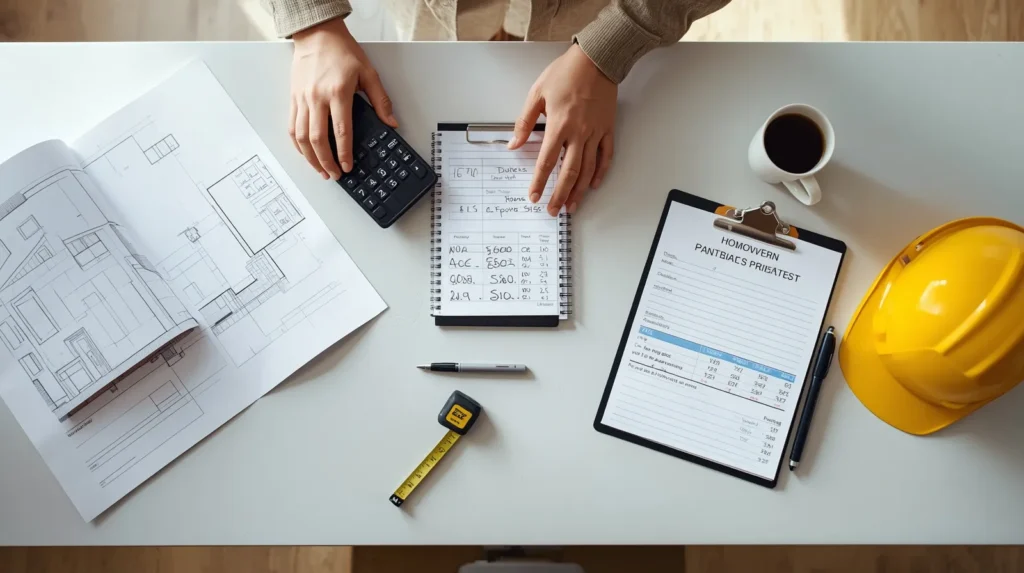
Before any sledgehammers come out, the cheapest demolition projects always start the same way with smart planning. The homeowners who save the most money are the ones who treat this like a real project with a clear budget and timeline.
Step 1 — Get at least three quotes. Demolition pricing varies wildly between contractors. Getting three or more quotes gives you real leverage and a clear picture of fair market pricing in your area.
Step 2 — Ask what is included. Some quotes include debris removal and disposal fees. Others do not. A low quote that excludes hauling can end up costing more than a higher all-inclusive bid.
Step 3 — Disconnect utilities yourself. Gas, water, and electricity must be shut off before demolition starts. Calling your utility companies directly is free or low-cost. Letting a contractor handle it usually adds a fee.
Step 4 — Pull the permits yourself. Many municipalities allow homeowners to pull demolition permits directly. This skips the contractor markup and saves real money.
Step 5 — Plan around the seasons. Winter and early spring are slower seasons for demolition crews. Booking during off-peak times often unlocks better pricing.
Step 6 — Identify salvageable materials. Before demolition starts, walk the home and note items worth keeping or selling. Hardwood floors, copper pipes, light fixtures, doors, windows, and antique hardware all have resale value.
A small amount of upfront planning can cut your final demolition cost by thousands of dollars.
Full Demolition vs House Deconstruction Which One Saves More
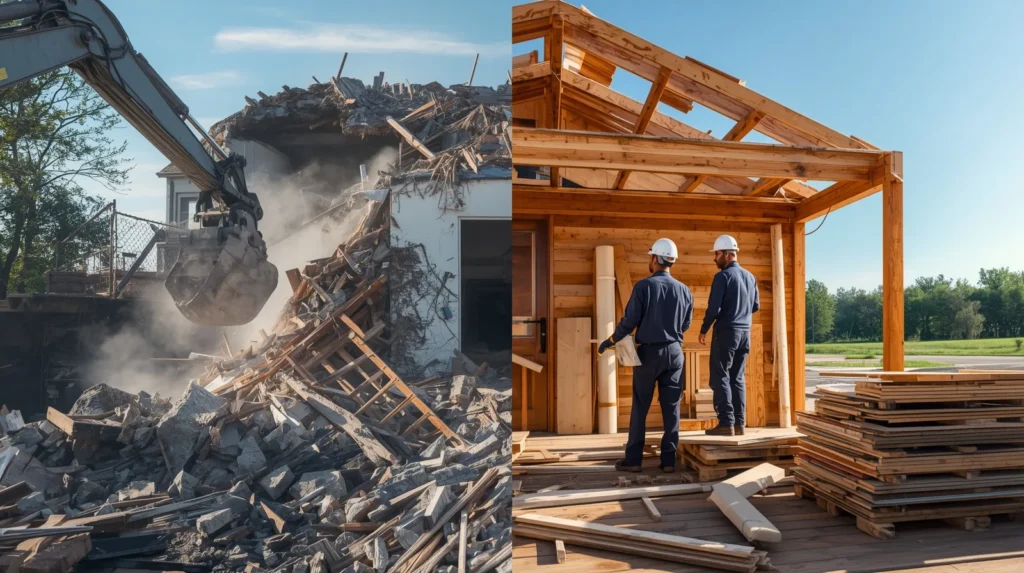
Most people assume bulldozing a house is the cheapest option. That is not always true. House deconstruction — the careful dismantling and salvaging of materials can actually save more money in the long run, especially when material values are factored in.
Full Demolition is fast and straightforward. A crew brings in heavy equipment and tears the structure down in days. The trade-off is that everything ends up as debris, which means higher hauling and disposal costs.
House Deconstruction takes longer but recovers far more value. Workers carefully remove materials piece by piece wood beams, flooring, fixtures, cabinets, doors, windows, and more. These items can be sold, donated for tax credits, or reused on a new build.
Here is when each option makes the most sense:
Choose full demolition when:
- The house has extensive structural damage
- Materials are old, rotted, or contaminated
- Time is tight and the property needs to clear fast
- The structure has minimal salvage value
Choose deconstruction when:
- The house has hardwood floors, solid wood beams, or quality fixtures
- You want to claim donation tax deductions
- You have time to extend the project timeline
- Local recycling or reclaimed materials markets are active
For many homeowners, a hybrid approach works best deconstruct the high-value materials first, then demolish the rest. This combination often delivers the lowest final cost.
Do It Yourself Demolition When It Actually Makes Financial Sense
The idea of saving money by demolishing a house yourself sounds appealing. And for some parts of the project, it actually works. But going fully DIY on a whole-house demolition is rarely the right move.
Here is when do it yourself demolition saves real money:
Interior demolition. Pulling out cabinets, flooring, drywall, and fixtures is something most homeowners can handle with basic tools. This work can shave thousands off a contractor’s bill.
Material salvage. Removing copper pipes, light fixtures, hardwood flooring, and reusable hardware before professional demolition lets you sell or reuse those items.
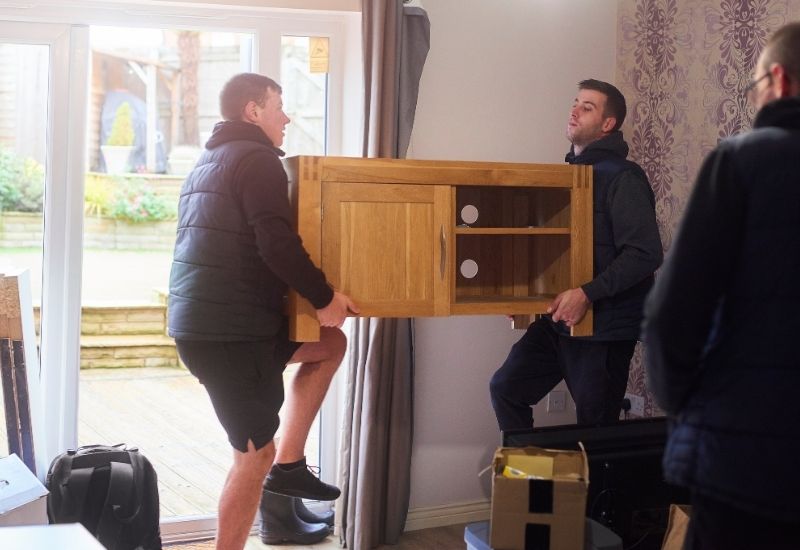
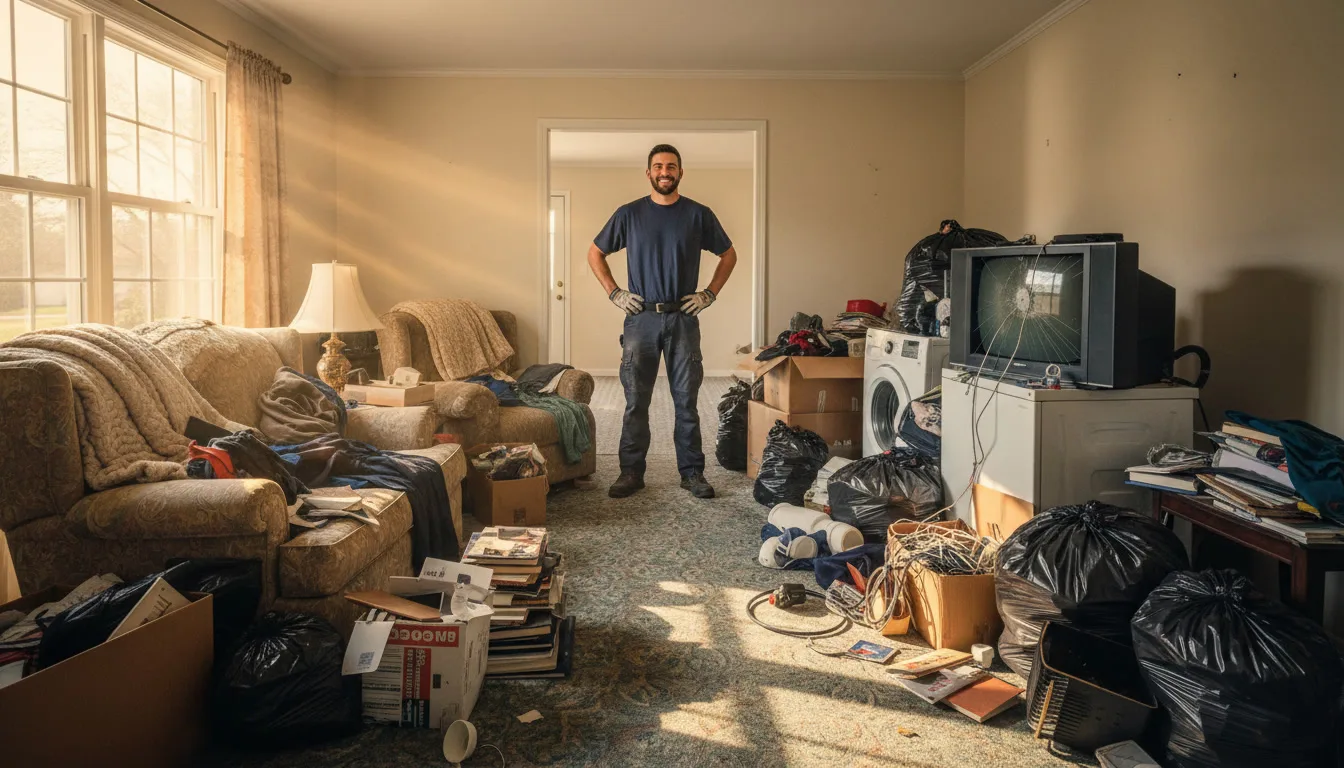
Site cleanup prep. Clearing furniture, appliances, and personal belongings out of the home before demolition saves crews time — and time costs you money.
Permit handling. Pulling permits and arranging utility disconnects directly cuts out contractor markups.
Here is when DIY does not make sense:
Structural demolition. Taking down walls, removing the roof, or dropping the actual structure requires heavy equipment, training, and safety expertise. Doing this yourself is dangerous and often illegal without proper permits.
Hazardous material removal. Asbestos, lead paint, and chemical handling must be done by certified professionals. Cutting corners here creates serious health and legal risks.
Debris removal. Hauling away tons of wreckage requires trucks, dumpsters, and disposal facility access. Most homeowners underestimate the volume of debris generated and end up spending more on multiple disposal trips than they would have on a professional service.
The smart play is hybrid. DIY the parts you can handle safely. Hire pros for the parts that require expertise.
How to Demo a House Step by Step the Affordable Way
Here is the actual process most affordable demolition projects follow from start to finish.
Step 1 Inspect and plan.
Walk the property thoroughly. Note hazardous materials, salvageable items, and structural concerns. Get a hazardous material inspection if the home was built before 1980.
Step 2 Disconnect utilities.
Contact your gas, water, electricity, and sewer providers. Schedule disconnects at least two weeks before demolition begins.
Step 3 Pull demolition permits.
Visit your local building department. Submit your demolition plan and pay the permit fees. This step is mandatory in most areas.
Step 4 Salvage valuable materials.
Spend a weekend pulling out anything worth keeping or selling. Hardwood, copper, fixtures, doors, and windows are common high-value items.
Step 5 Handle hazardous materials.
Hire certified specialists to remove asbestos, lead paint, or chemical contaminants if present. This step cannot be skipped.
Step 6 Schedule the demolition crew.
Hire your selected contractor and confirm the start date. Make sure debris removal is included in the contract.
Step 7 The actual demolition.
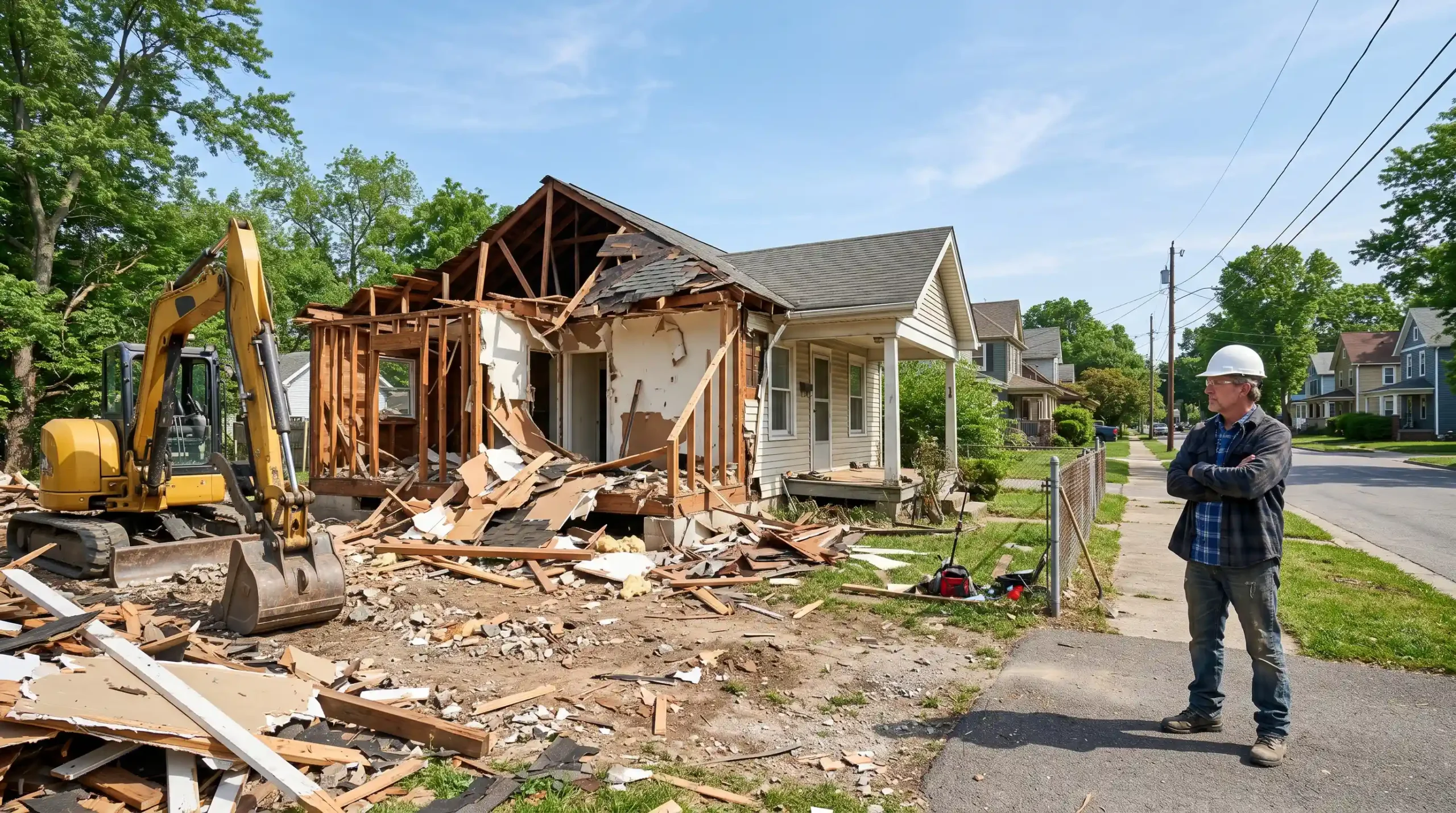
Crews bring in equipment and bring the structure down. Most single-family homes are demolished in 1 to 3 days depending on size and material.
Step 8 Site cleanup and debris hauling.
All wreckage is loaded and hauled away. Salvageable metal goes to recycling. Wood and drywall go to appropriate disposal sites.
Step 9 Final grading and inspection.
The site is leveled and inspected by your local building authority. Once approved, the lot is ready for whatever comes next.
Following this process keeps the project organized, on budget, and on schedule.
Smart Ways to Tear Down a Building Without Wasting Money
Here are field-tested money-saving strategies that experienced homeowners use to keep demolition costs low.
Sell salvageable materials before demolition. Hardwood flooring, antique doors, vintage fixtures, and copper plumbing all have active resale markets. Facebook Marketplace, Craigslist, and architectural salvage shops will buy quality items before they become debris.
Donate to Habitat for Humanity ReStores. Functional appliances, cabinets, doors, and fixtures qualify for donation tax deductions. ReStores often pick up donated items at no cost, saving you both money and time.
Recycle metal aggressively. Copper, aluminum, steel, and brass all have scrap value. Separating metal from regular debris before hauling reduces disposal costs and adds cash back to your project.
Choose a local contractor. Local crews charge less in travel time and equipment transport. National companies often add overhead costs that local teams do not.
Bundle services when possible. Some contractors offer better rates when demolition, debris removal, and site clearing are bundled into one contract.
Time the project right. Booking during winter or early spring usually unlocks better pricing. Crews are less busy and more flexible on rates.
Negotiate the quote. Demolition quotes are not fixed prices. Many contractors will adjust pricing for clear-pay homeowners or flexible scheduling.
Small decisions across the project add up to major savings.
How to Knock Down a Building and Save on Debris Removal
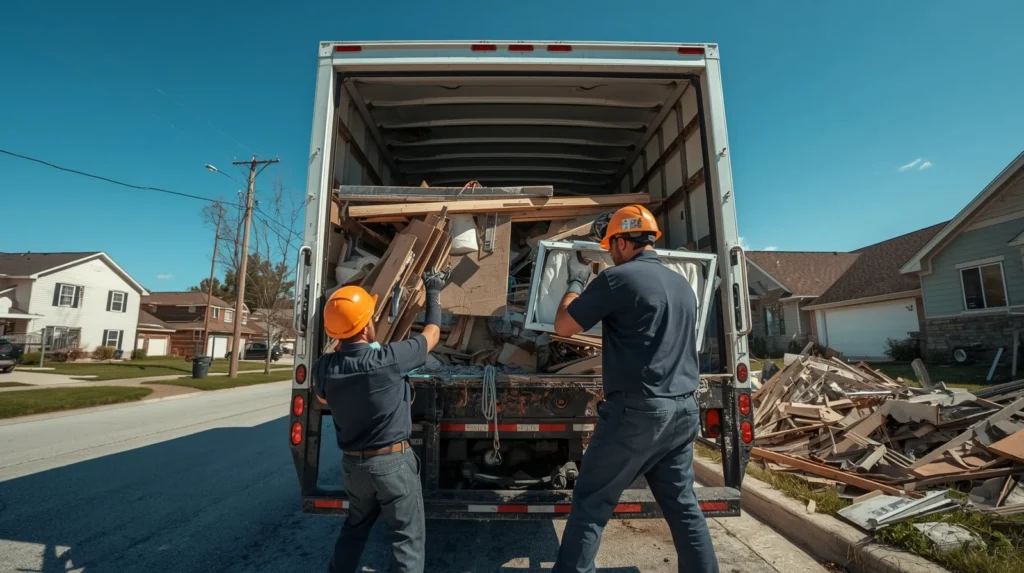
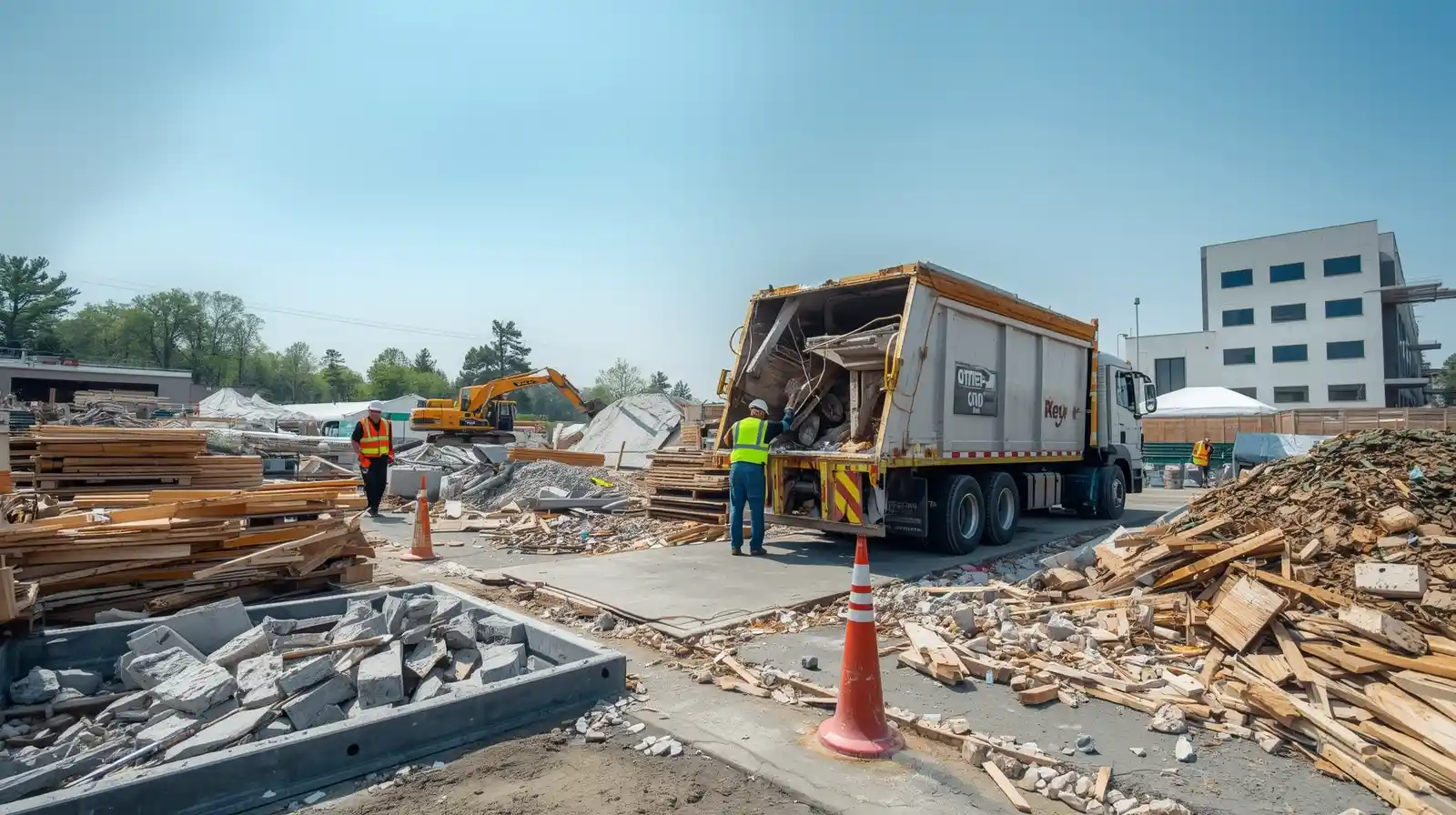
Debris removal is often the biggest hidden cost in any demolition project. A typical single-family home generates 50 to 100 tons of debris. Hauling that away is not cheap.
Here is how to keep debris costs under control:
- Choose a contractor with debris removal included. All-inclusive contracts prevent surprise charges at the end of the project.
- Avoid renting your own dumpster. Dumpster rental fees, overflow charges, and disposal fees add up fast. Professional crews usually have better rates with disposal facilities.
- Sort debris during demolition. Metal, wood, drywall, and concrete go to different disposal facilities. Mixed-debris loads often cost more than sorted ones.
- Recycle wherever possible. Many materials can be diverted from the landfill concrete can be crushed for fill, wood can be chipped for mulch, and metal goes straight to scrap yards.
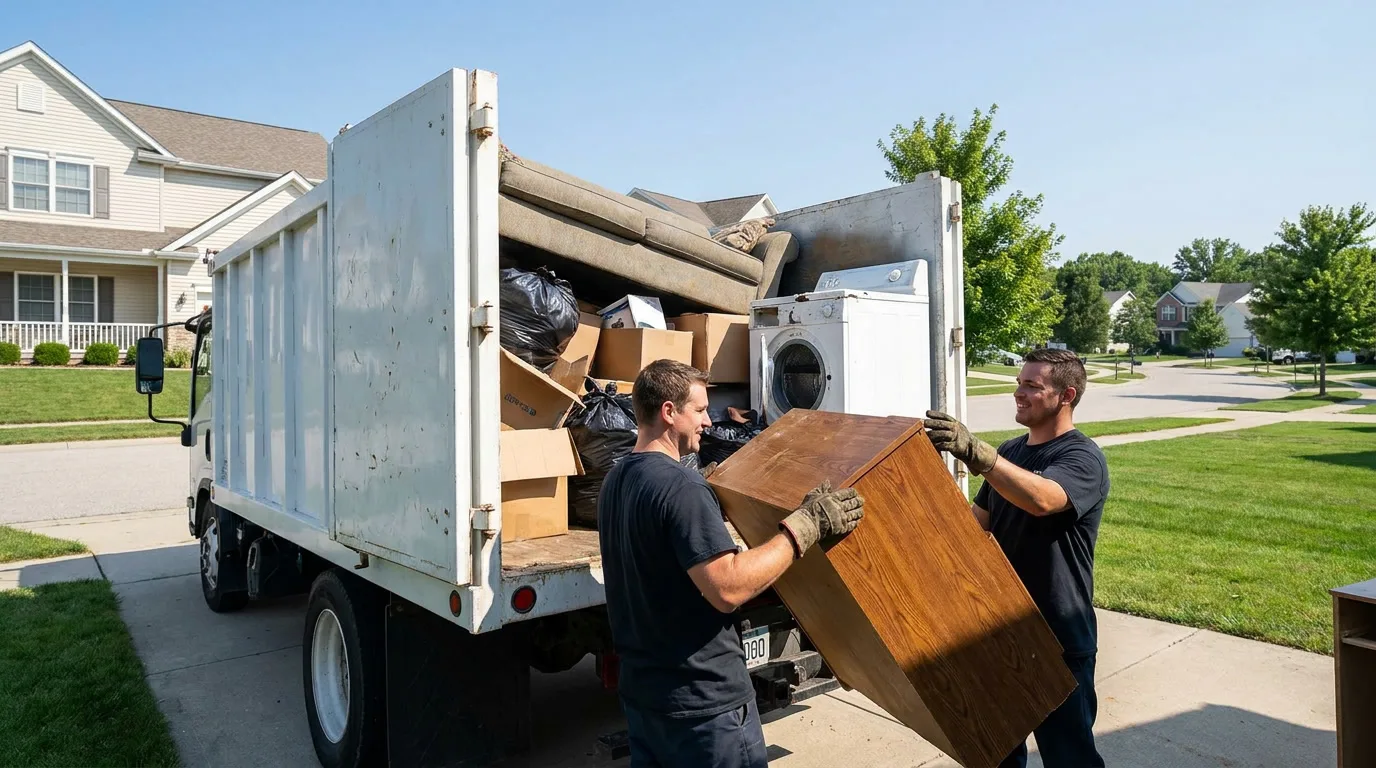
- Hire a junk removal company for residual cleanup. Even after the main demolition, smaller debris and miscellaneous items often remain. A junk removal team handles this final cleanup faster and cheaper than another visit from a demolition crew.
The Junk Thief specializes in this exact service handling residual demolition debris quickly, hauling it all away in one visit, and disposing of it responsibly. No dumpster rental. No multiple trips to the landfill. No leftover mess.
Hidden Costs of Demolishing Old Buildings Most People Forget
Demolishing old buildings comes with cost surprises that catch most homeowners off guard. Knowing about them in advance lets you plan for them properly.
- Hazardous material abatement. Older homes often contain asbestos, lead paint, or outdated chemical insulation. Specialist removal can add thousands to the project.
- Permit and inspection fees. Demolition permits, utility disconnect fees, and final inspection charges vary by location but typically range from a few hundred to over a thousand dollars.
- Tree and landscaping removal. Trees, shrubs, fences, and landscaping near the structure often need clearing. This is rarely included in standard demolition quotes.
- Foundation removal. Some demolition packages include the foundation. Others do not. Removing a concrete foundation is a separate and significant expense.
- Sewer line capping. Old sewer connections must be properly sealed at the property line. Failing to do this correctly can lead to fines and rework.
- Site grading and final cleanup. After demolition, the site needs to be leveled and prepared for its next use. This is usually a separate line item.
- Soil testing. If the home had underground tanks or chemical exposure history, soil testing may be required before any new construction can begin.
Asking about these costs upfront prevents painful surprises later.
Affordable Demolition and Debris Removal in Virginia What to Know
Virginia homeowners have access to strong local resources for affordable demolition projects. Most counties offer streamlined demolition permit processes with reasonable fees. The Virginia Department of Environmental Quality provides clear guidance on disposing of construction debris and hazardous materials.
The state also has a healthy network of architectural salvage shops, Habitat for Humanity ReStores, and metal recycling facilities all of which help offset demolition costs through material recovery and donations.
For homeowners managing a demolition project on a tight budget, partnering with a local team that handles debris removal in a single visit is one of the smartest cost-saving moves available. One coordinated visit replaces multiple dumpster rentals, separate hauling fees, and the time spent managing it all yourself.
Why Hiring The Junk Thief Is the Smartest Way to Save
When it comes to keeping demolition costs low, the right team makes all the difference. The cheapest demolition project is not always the one with the lowest hourly rate it is the one where every dollar is spent efficiently and nothing is wasted on hidden fees, multiple trips, or coordination headaches.
The Junk Thief specializes in fast, efficient demolition debris removal across the region. Their team handles residual demolition cleanup, partial deconstruction debris, and full-site cleanup after a contractor finishes the structural work. One visit, one truck, one final price.
Here is what makes this approach budget-friendly:
- No dumpster rental fees. A junk removal team brings the truck and hauls everything away in one visit. No weekly dumpster charges adding up.
- No separate disposal trips. Materials are sorted on the truck and routed to the right facilities recycling, donation, or disposal without you making a single extra trip.
- Upfront pricing. A clear quote based on volume means no surprise charges at the end.
- Same-day availability. Quick scheduling means no project delays waiting for cleanup crews to arrive.
- Eco-friendly disposal. Salvageable materials get donated or recycled, which often unlocks tax deductions and reduces overall environmental impact.
For homeowners trying to demolish a house affordably, this kind of streamlined approach often saves more money than any other single decision in the project.
Conclusion
Finding the cheapest way to demolish a house is about smart planning, not cheap shortcuts. Get multiple quotes. Pull permits yourself. Salvage what you can. Choose deconstruction for high-value materials. Bundle services where possible. And always work with a team that includes debris removal in the final price.
Every smart decision in the planning phase translates to real dollars saved at the end of the project. The homeowners who save the most are the ones who treat demolition like the major project it is with a clear budget, a solid plan, and the right team in their corner.
Ready to take down that old structure without watching costs spiral out of control? The Junk Thief is here to make demolition debris removal fast, affordable, and stress-free. Free quotes, same-day availability, and a fully insured team that hauls every piece away in one visit. Reach out today and see how much you can save on your demolition project.