Junk removal is a growing industry that helps people and businesses clear out unwanted items such as furniture, appliances, storage unit contents, and construction debris. This article explains how to find junk removal jobs through local searches, online platforms, apps, and community groups. It covers different job types like residential, commercial, and storage cleanouts, along with subcontracting, bidding on contracts, and becoming an independent contractor. Readers also learn about tools, equipment, licenses, and marketing strategies needed to grow from small jobs to a full junk hauling business. With expert guidance from Thejunkthief in Northern Virginia, the article shows how anyone can build a steady income and long-term career in junk removal.
Understanding the Junk Removal Industry
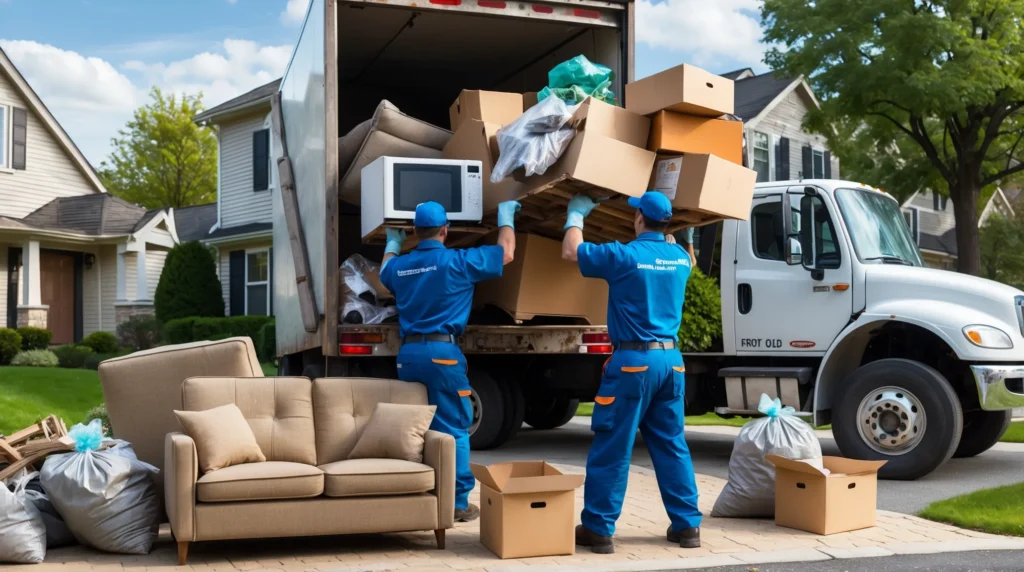
Junk removal is a service that helps people clear out unwanted items from their homes, offices, storage units, or construction sites. Old furniture, broken appliances, yard waste, and construction debris are all things that need to be hauled away. As cities grow and people move, the need for junk hauling jobs keeps rising Many families do not have the right vehicles, time, or energy to remove junk themselves. That’s where junk removal jobs come in. These jobs are not just about lifting heavy objects. They involve safe disposal, recycling, and sometimes donating items. This makes junk removal work both useful for people and important for communities.
If you want to step into this line of work, it helps to know the different ways to get started, whether part-time, full-time, or an your own.
Why Learning how to find junk removal jobs Matters
If you are asking yourself how to find junk removal jobs, it means you want to earn a steady income by helping people. These jobs are in demand because junk piles up everywhere homes, businesses, storage units, and even construction projects. When you know where to look, you can find opportunities faster. Many people start with part-time junk removal jobs and then move to full-time junk removal work. Some even grow into careers by building their own junk hauling business.
This industry also offers freedom. You can choose to be a junk removal independent contractor or work with a junk removal company. Knowing how to get junk removal jobs gives you more options, whether you want extra money or a long-term career.
Where to Find Junk Removal Jobs Online and Locally
The first step is to explore how to find junk removal jobs. There are many options:
- Local junk removal jobs: Small companies often post job openings on community boards, local job sites, or even in newspapers.
- Online junk removal jobs: Websites like Craigslist junk removal jobs and other marketplaces list people who need help hauling junk.
- Part-time junk removal jobs: Perfect if you want weekend or evening work.
- Full-time junk removal work: Many companies hire workers full-time for regular hauling and disposal jobs.
- Junk removal jobs near me searches: Typing this into search engines often shows local companies that are hiring.
If you want steady work, combining both online and offline searches gives you more chances.
Platforms and Apps That Connect You to Junk Hauling Jobs
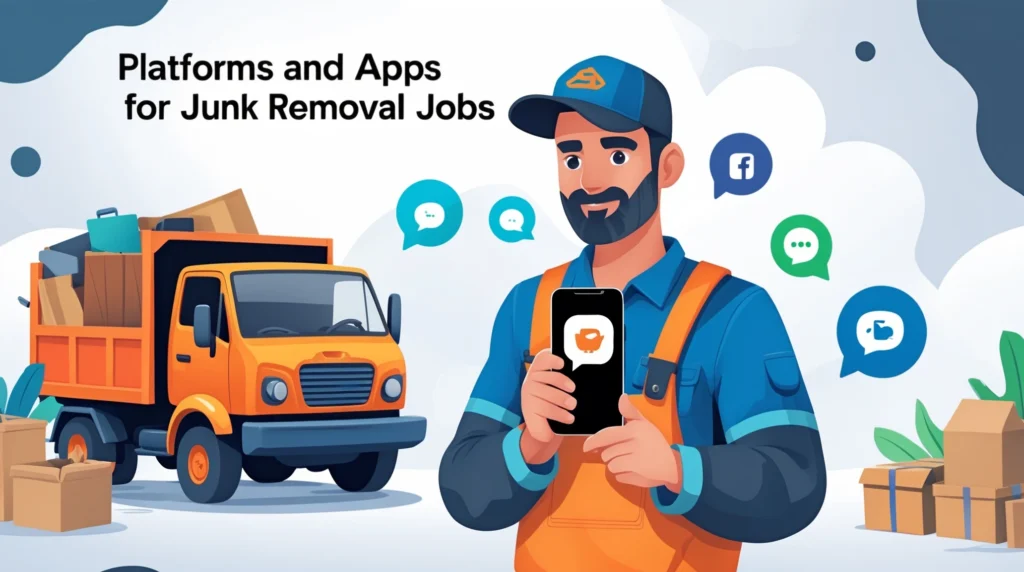
Technology makes it easier to connect with customers who need junk removed. Here are a few platforms and apps to try:
- Junk removal apps: These apps connect workers with people who need junk hauled quickly.
- Craigslist junk removal jobs: Many property managers, landlords, and homeowners post junk removal needed ads here.
- Facebook junk removal groups: Local groups often have people asking for hauling and disposal jobs.
- Junk removal marketplaces: Websites where junk removal gigs are posted, letting you bid on jobs.
By signing up for these platforms, you can get junk removal leads and even free junk removal leads at times. Staying active on these apps increases your chances of finding consistent work.
Exploring Residential and Commercial Junk Removal Jobs
Not all junk removal jobs are the same. There are several types:
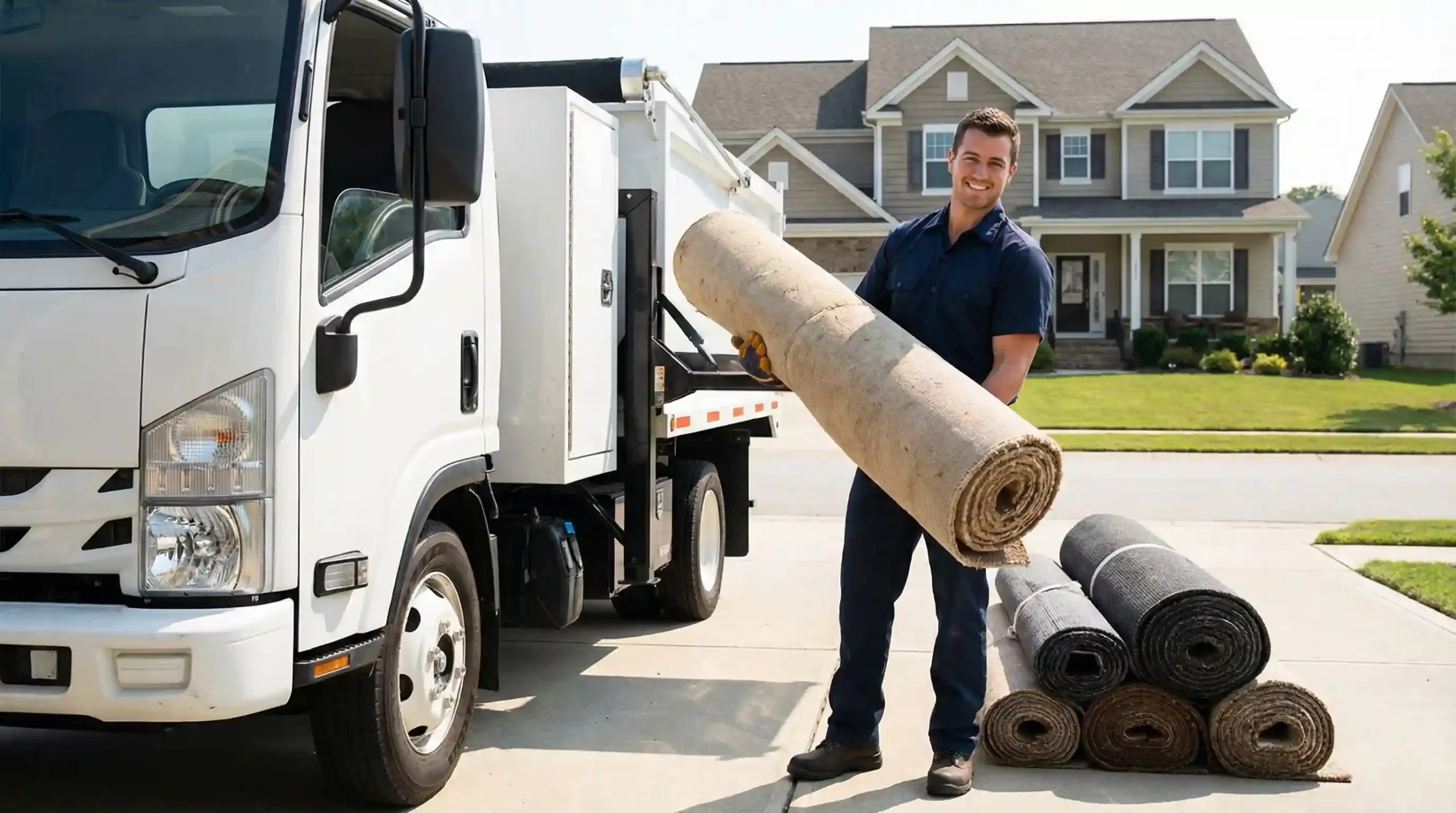
- Residential junk removal jobs: Helping homeowners clear out old furniture, broken appliances, or clutter in basements and garages.
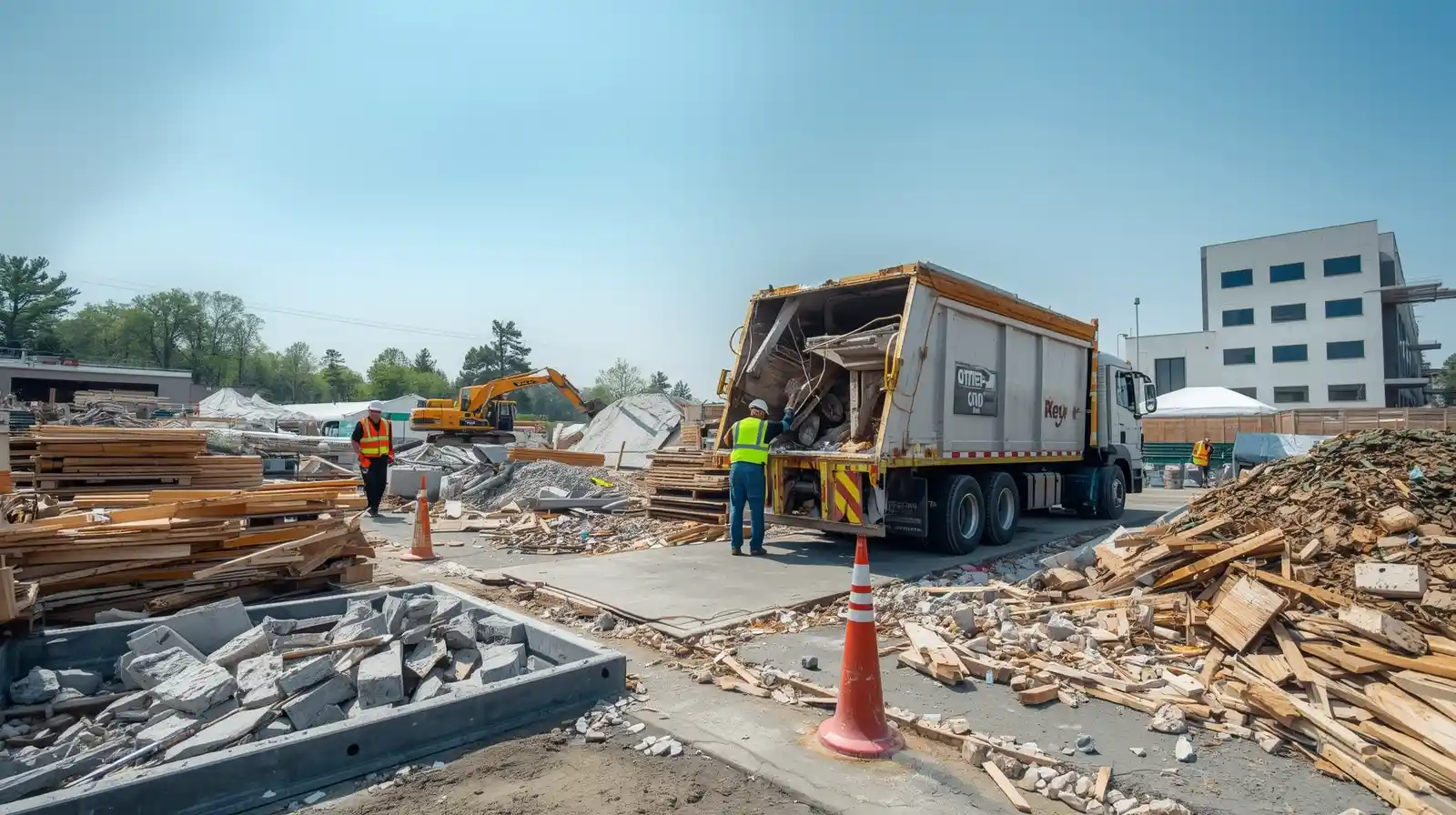
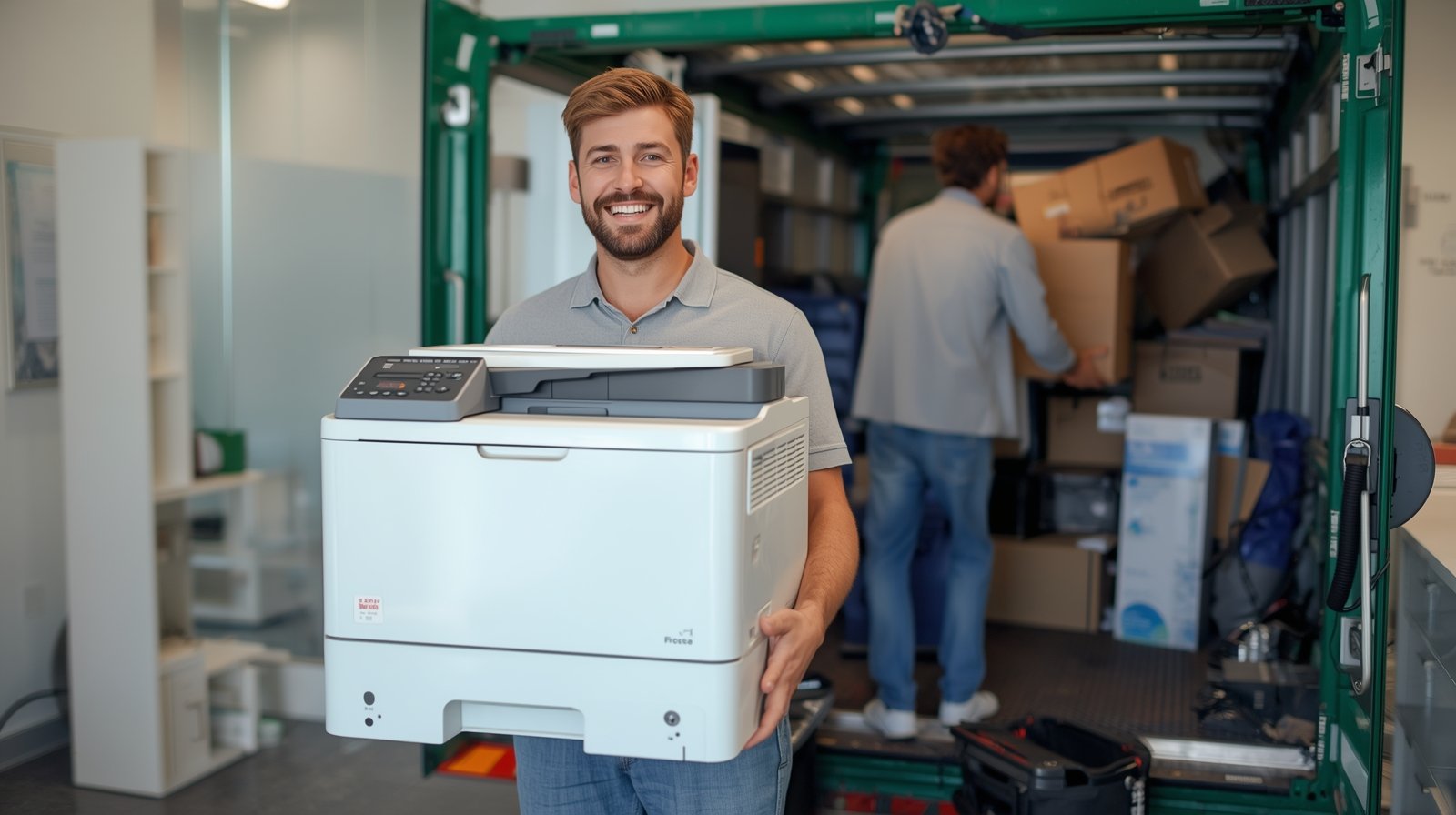
- Commercial junk removal jobs: Offices, warehouses, and retail stores often need help removing large amounts of items.
- Storage unit clean-out jobs: Many people rent storage units and then abandon items, leaving companies to hire junk removal workers.
- Community junk removal work: Neighborhood cleanups or city events often hire junk hauling businesses to handle the load.
Each type of job has its own challenges. For example, commercial jobs may pay more but require larger trucks. Residential jobs are easier but may not pay as much. Knowing the differences helps you plan your path.
Subcontracting and Small Junk Removal Contracts
If you don’t want to start a full business right away, becoming a junk removal subcontractor is a smart step. This means you work under a bigger company that already has junk removal contracts. You may also bid on junk removal jobs. Many companies look for people who can handle small junk removal contracts. These jobs might include yard waste, appliance pick-ups, or small demolition and junk removal jobs.
Subcontracting helps you build experience and income without the pressure of running a business. Later, you can use that experience to get your own junk removal contracts.
Moving Beyond Jobs: Careers in Junk Removal
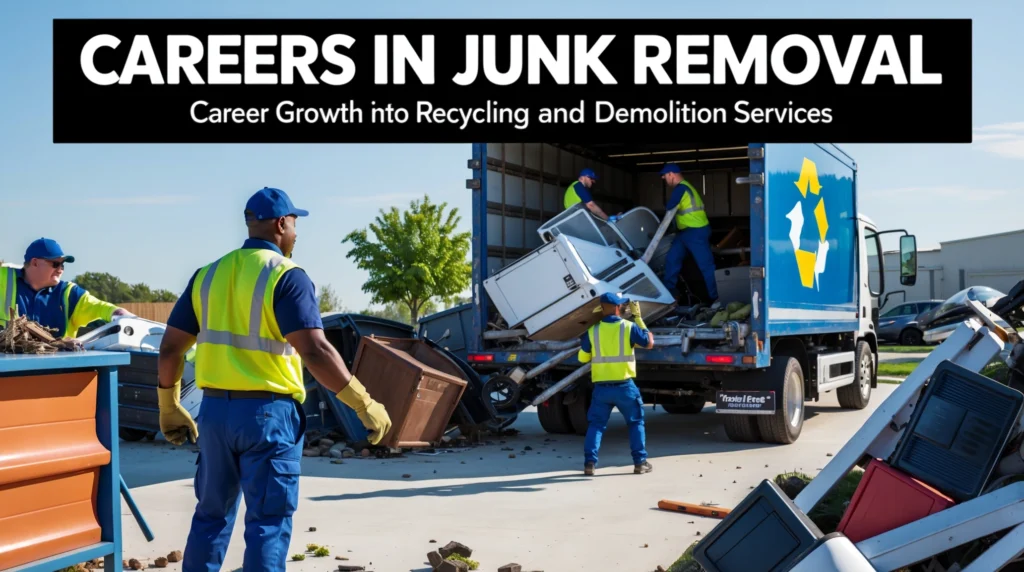
Junk removal careers can be more than short-term jobs. Many people start with junk hauling jobs and then grow into junk removal business jobs. Over time, you can become a crew leader, trainer, or manager in a junk removal company. Others branch out into demolition and junk removal jobs or recycling and junk collection jobs. Because junk removal careers are tied to community needs, they remain steady. People will always have items they no longer want or need. This makes it one of the most reliable service industries to work in.
Becoming a Junk Removal Independent Contractor
Being a junk removal independent contractor means you are self-employed. You decide which jobs to take, how much to charge, and when to work. Independent contractors often start with small junk removal contracts, such as picking up yard debris or doing moving and junk hauling work. As you grow, you can invest in a junk removal truck and take on larger hauling and disposal jobs.
This path gives you more freedom but also requires more responsibility. You must handle your own junk removal business plan, licenses and permits for junk removal, and equipment for junk hauling.
How to Get Customers for Junk Removal Services
Once you have the basics in place, the next step is finding customers. There are several ways to get junk removal leads:
- Free junk removal leads: Post on local boards, Facebook junk removal groups, and Craigslist.
- Junk removal marketing strategies: Build a website, run local ads, and hand out flyers in neighborhoods.
- Word-of-mouth referrals: Always provide good service so customers recommend you to others.
- Junk removal marketplaces: Join sites where people search for junk hauling services.
Knowing how to get customers for junk removal is key to turning one-time jobs into steady work.
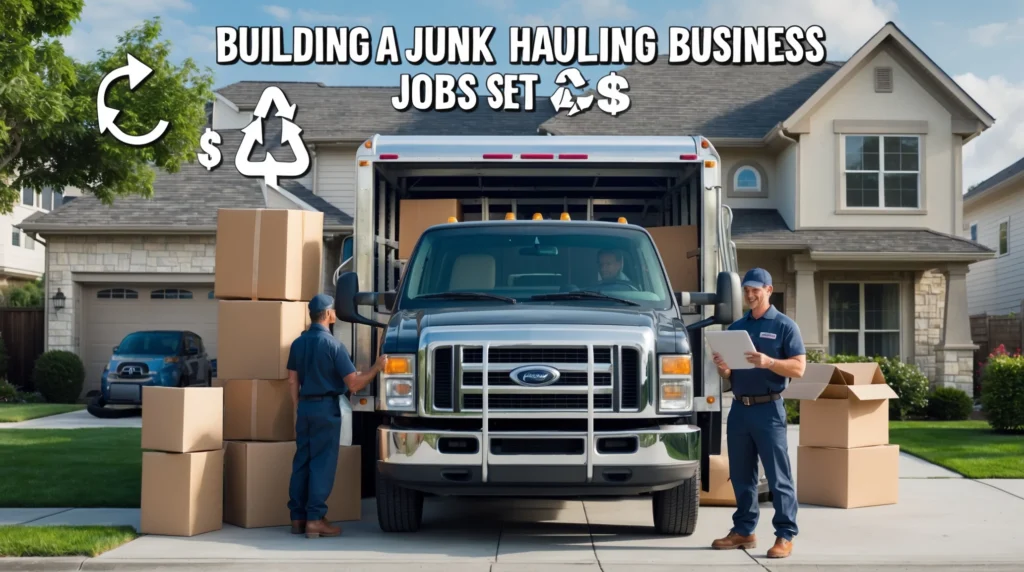
Building a Junk Hauling Business from the Ground Up
If you enjoy this work, you can turn junk hauling jobs into a full junk removal business. To do this, you need:
- A clear junk removal business plan
- An understanding of the cost to start junk removal business
- Knowledge of junk removal business salary expectations
- Awareness of how do junk removal companies make money
Most businesses make money by charging for labor, hauling, and disposal. Others add recycling services or work with real estate junk removal companies.
With the right marketing and planning, a small junk hauling business can grow into a reliable source of income.
Tools, Licenses, and Equipment for Junk Hauling Work
To work legally and safely, you need a few basics:
- Licenses and permits for junk removal: Check your local rules to make sure your business is legal.
- Equipment for junk hauling: A reliable junk removal truck, gloves, straps, dollies, and safety gear.
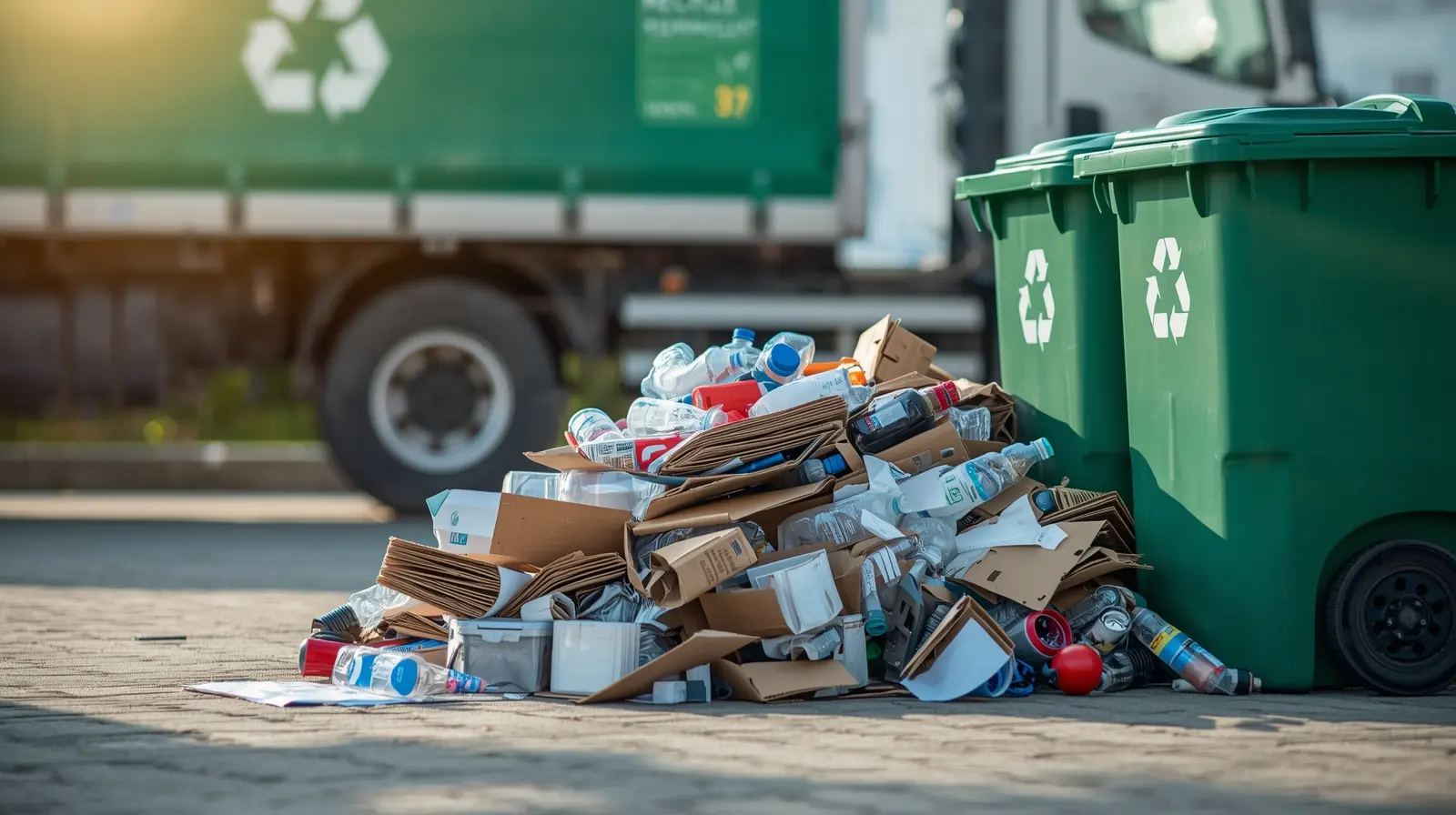
- Hauling and disposal jobs tools: Tarps, containers, and recycling bins.
- Extra items: Insurance and fuel budgeting for your truck.
The right setup makes the work easier and shows customers that you are professional and trustworthy.
The Junk Thief Advantage in Northern Virginia
When it comes to finding steady junk hauling work, trust is important. That’s where Thejunkthief stands out. In Northern Virginia, this brand has built a reputation for reliable, affordable, and professional junk removal services. Whether it’s residential junk removal jobs, commercial junk removal jobs, or even demolition and junk removal jobs, Thejunkthief has the tools and experience to handle them. By focusing on customer satisfaction and community support, this business has become a trusted choice in the area.
Conclusion
Learning how to find junk removal jobs is the first step to building a steady income and even starting your own business. From online junk removal jobs to local junk hauling work, endless opportunities are waiting. By exploring subcontracting, bidding on junk removal contracts, and using junk removal apps or marketplaces, you can grow step by step. With effort and the right strategies, you can turn simple jobs into a full junk hauling business. Customers always need help clearing out unwanted items, so the demand will remain strong.
If you’re ready to start, take the first step today.
Ready to grow your career in junk removal? Reach out to experts, stay active in local groups, and start small. Every step you take brings you closer to steady work and lasting success.